
Snake Helpline in Dungarpur
Safeguarding Lives and Biodiversity
🌿 Immediate Assistance: Snake Helpline in Dungarpur
If you encounter a snake in your vicinity, it's crucial to seek professional help promptly. Our snake helpline in Dungarpur connects you with trained rescuers who ensure the safe and humane relocation of snakes.
As Dungarpur continues its trajectory of development and urban expansion, striking a delicate balance between progress and the preservation of its natural ecosystems becomes increasingly vital. The ongoing work of reptile catching services and the availability of a dependable Indian snake helpline are immediate necessities. However, the long-term vision must extend beyond mere rescue. It requires proactive measures such as advocating for sustainable development practices that minimize habitat destruction, promoting green spaces within the city, and continuously educating its citizens. The continued collaboration between the Forest Department and dedicated local NGOs is the cornerstone of this future. By empowering reptile rescue volunteers, facilitating reptile relocation services, and fostering genuine community engagement, Dungarpur can truly embody a model of harmonious coexistence. This collective guardianship ensures that Dungarpur's "whispers in the weeds" – the subtle, often unseen movements of its serpentine residents – continue to be a cherished and integral part of its vibrant natural tapestry for generations to come, symbolizing not just its rich cultural history, but also its deep commitment to environmental preservation.
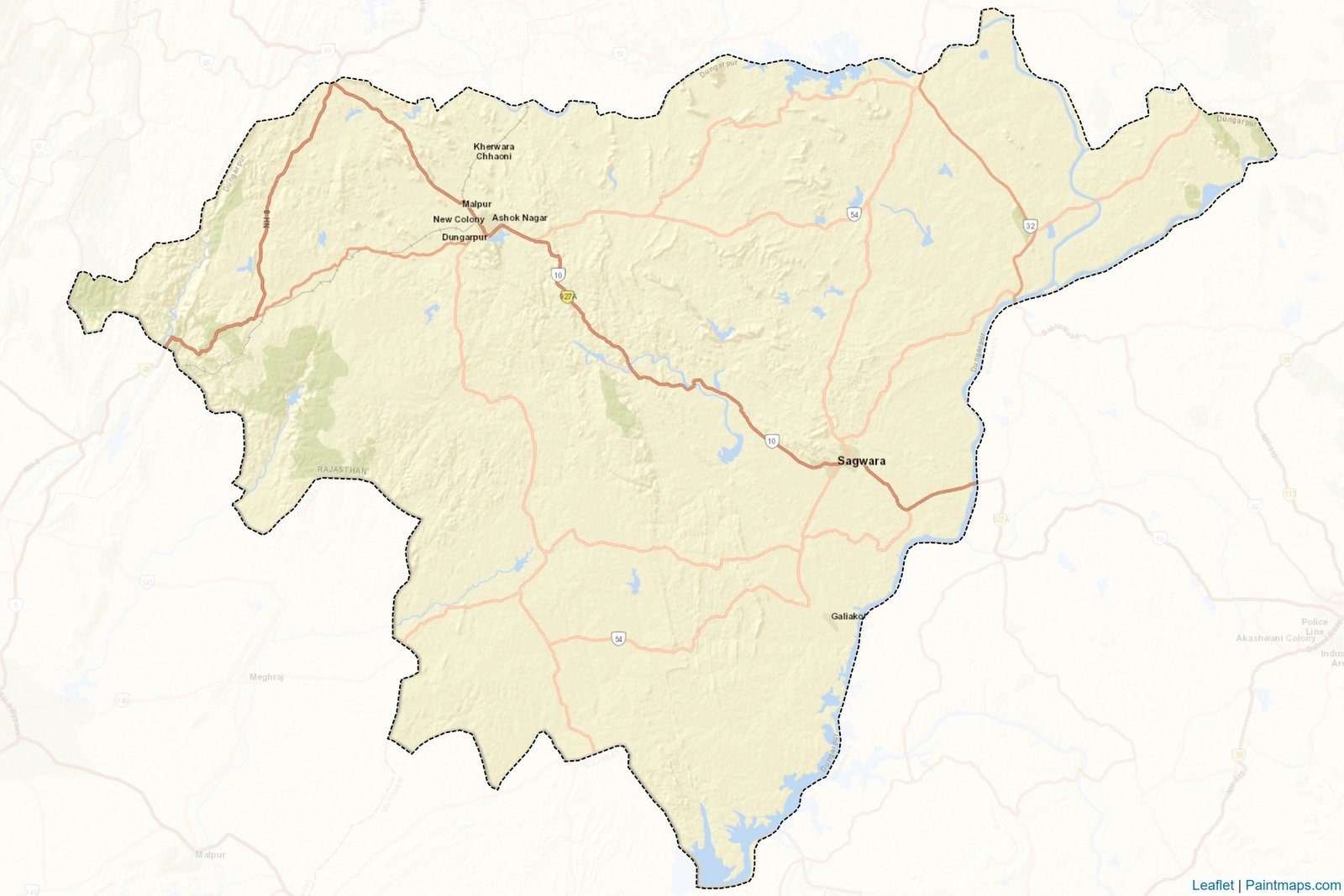
Dungarpur's unique geographical position as a transitional zone between the arid Thar and the greener Aravallis makes it a significant site for studying wild reptiles of Rajasthan. This ecological diversity underscores the city's critical role in broader environmental and wildlife conservation efforts. The presence of numerous heritage sites and the general human population density create inherent challenges for wildlife. Therefore, protecting Dungarpur's wildlife, including its reptiles, is not just about isolated instances of wildlife conflict resolution; it's an integral part of a larger, more comprehensive commitment to environmental stewardship. Recognizing reptiles as an indicator species, their health and presence reflect the overall health of the ecosystem. Safeguarding their habitats, controlling pollution, and preventing habitat fragmentation are essential for the long-term survival of all species. This is where the joint efforts of the Forest Department and numerous local NGOs, often through community engagement and public-private partnerships, become indispensable in protecting the Indian reptile species and the broader biodiversity heritage of the region.
🌿 Contact Us: For snake rescue services
- +91 7230010209
- www.snakehelpline.in
- www.snakerescuejaipur.com
🌿 Importance of Snake Conservation in Dungarpur
Snakes play a vital role in maintaining ecological balance by controlling rodent populations and serving as both predators and prey in the food chain. Conservation efforts in Dungarpur focus on:
- Habitat Protection
- Public Awareness
- Rescue Operations
- Emergency Response
Common Snake Species in Dungarpur
Dungarpur is home to a wide variety of snake species due to its mixed forest-agricultural landscape and relatively high rainfall.
Venomous Snakes in Dungarpur:
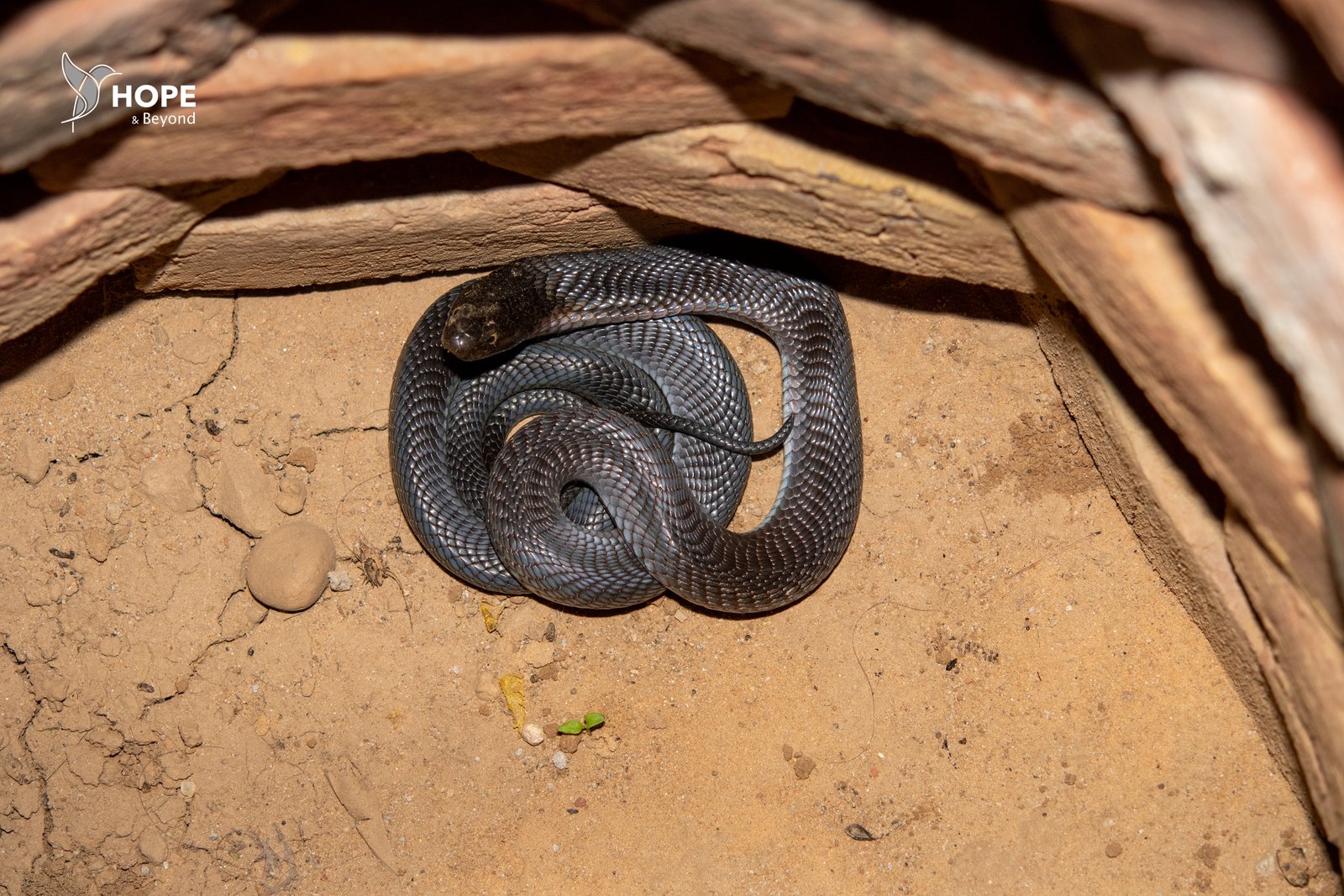
- Common Krait (Bungarus caeruleus): Highly venomous, often enters houses at night.
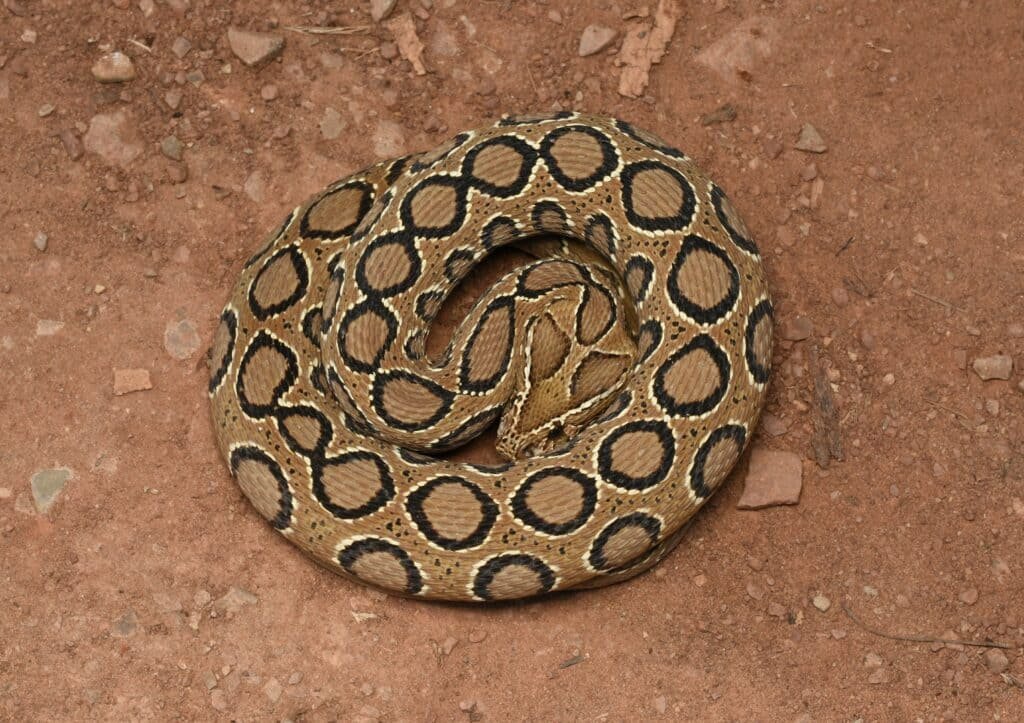
- Russell’s Viper (Daboia russelii): Aggressive if threatened; identified by chain-like markings.
- Saw-scaled Viper (Echis carinatus): Small but deadly; makes a rasping noise when alarmed.
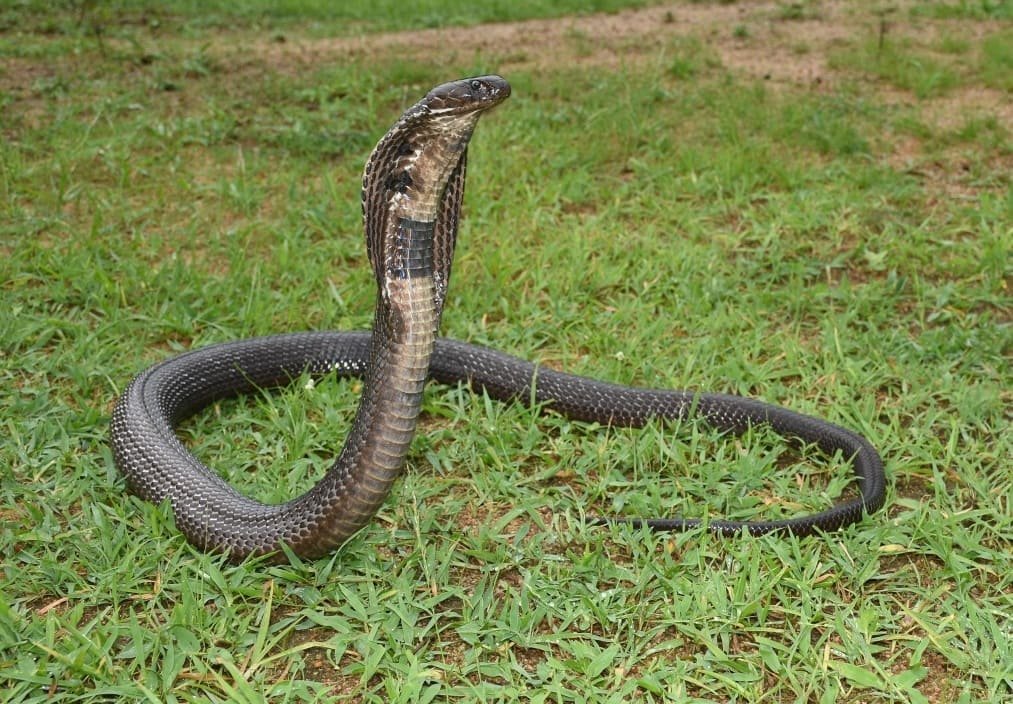
- Indian Cobra (Naja naja): Known for its hood display and symbolic association with Shiva.
Non-Venomous Snakes in Dungarpur:
- Indian Rock Python (Python molurus): Found in the hilly forest regions.
- Rat Snake (Ptyas mucosa): Often found in grain stores and near water tanks.
- Checkered Keelback (Fowlea piscator): Common in water bodies and rice fields.
- Red Sand Boa (Eryx johnii): Myth-associated snake, often threatened by illegal capture.
Our Snake Rescue and Management services -
- 24/7 Helpline: Immediate Response To Snake sightings.
- Professional Rescuers: Trained Personnel equipped to handle various snake species safely.
- Community Workshops: Educational Programmes to Inform the Public about snake behaviour and safety measures.
Collaboration with NGOs and Wildlife Organizations
WE work closely with local NGOs and Wildlife Organizations to enhance snake conservations efforts.
- Hope and Beyond: engages in environmental conservation and community devlopment projects.
- Forest Department: Trained Personnel equipped to handle various snake species safely.
- Community Engagements: Educational Programmes to Inform the people about snake behaviour and safety measures.
Educational Initiatives and Training Programs
To promote Co-Existence between humans and snakes, we offer
- School Programs: Interactive session for students to learn about snakes and their ecological roles.
- Volunteer training: Opportunities for individuals to become a certified snake rescuer.
- Public Seminars: Workshops on snake identification, First-Aid for snake bites, and preventive measures.
- Green Vine Snake (Ahaetulla oxyrhyncha)*
- Laudankia Vine Snake (A. laudankia)**
- Forsten's Cat Snake (Boiga forsteni)**
- Common Cat Snake (B. trigonata)**
- Indian Egg Eater (B. westermanni)**
- Common Trinket (Coelognathus helena helena)**
- Montane Trinket (C. h. monticollaris)*
- V-Collared Trinket (C. h. nigriangularis)*
- Common Bronzeback (Dendrelaphis tristis)**
- Common Wolf Snake (Lycodon aulicus)**
- Barred Wolf Snake (L. striatus)
- Sind Awl-headed (Lytorhynchus paradoxus)***
- Northern Kukri (Oligodon russelius)**
- Streaked Kukri (O. taeniolatus)
- Tillack's Kukri (O. tillacki)*
- Common Sand Boa (Eryx conicus)**
- Red Sand Boa (E. johnii)
- Indian Rock Python (Python molurus)**
- Indian Saw Scaled Viper (Echis carinatus carinatus)**
- Sind Saw Scaled Viper (E. c. sochureki)
- Russell's Viper (Daboia russelii)**
- Siebold's Water Snake (Ferania sieboldii)
- Sind Thread Snake (Myriopholis blanfordi)
- Beaked Thread Snake (M. macrorhyncha)
Nature and Behavioral Patterns of Snakes in Dungarpur
Snakes in Dungarpur are mostly shy and avoid confrontation. They strike only when provoked or cornered. Unfortunately, fear and misinformation often lead to the unnecessary killing of snakes, which disrupts the ecological chain.
Key behaviors observed in Dungarpur snake species:
- Nocturnal Activity:Many snakes, like the Krait and Python, are active at night, especially during hot seasons.
- Basking Habits:Species like cobras are often found basking near rocks or field boundaries during early mornings.
- Prey Tracking: Snakes use heat-sensing and vibration cues to locate prey in the dense undergrowth of Dungarpur’s forest belts.
- Burrowing and Hiding:Sand boas and other species take shelter underground, especially during dry or cold spells.
Climate, Weather, and Snake Activity in Dungarpur
Dungarpur receives higher rainfall compared to most of Rajasthan. With a mix of humid monsoons, moderate winters, and hot dry summers, snake behavior and activity patterns follow seasonal shifts.
- Monsoon (June–September): Peak season for snake sightings, especially in waterlogged fields and near houses.
- Winter (December–February): Snake activity reduces; most species go into hibernation-like states in burrows.
- Summer (March–May): High risk of snakes seeking cool, shaded spots inside buildings.
The snake helpline Dungarpur sees maximum calls during the monsoon. Rescuers remain on standby in key blocks, especially during harvest times and local tribal festivals when human movement disturbs natural snake habitats.
Environmental Balancing and Role of Snakes in Dungarpur’s Ecosystem
Snakes are key predators in Dungarpur’s ecosystem. Without them, rodent populations would explode, damaging crops and spreading diseases like leptospirosis. In rural grain storage areas, rat snakes and kraits help maintain hygiene by controlling rodents and pests.
The ecological role of snakes:
- Maintain food chain balance
- Prevent crop losses in farmlands
- Support biodiversity by preying on overpopulated species
- Indirectly contribute to public health
Conclusion
Dungarpur’s rich ecology depends significantly on its reptilian population, especially snakes. With rising human-snake interactions due to agricultural expansion and climate shifts, snake helpline services, trained Snake rescuer, and community awareness have become the pillars of peaceful coexistence.
If you see a snake in your home, farm, or village – do not panic or try to kill it. Instead, call the Dungarpur snake rescue helpline and let trained professionals ensure the safety of both you and the snake.