
Snake Helpline in Pali
Safeguarding Lives and Biodiversity
🌿 Immediate Assistance: Snake Helpline in Pali
If you encounter a snake in your vicinity, it's crucial to seek professional help promptly. Our snake helpline in Pali connects you with trained rescuers who ensure the safe and humane relocation of snakes.
As Pali continues its trajectory of development and urban expansion, striking a delicate balance between progress and the preservation of its natural ecosystems becomes increasingly vital. The ongoing work of reptile catching services and the availability of a dependable Indian snake helpline are immediate necessities. However, the long-term vision must extend beyond mere rescue. It requires proactive measures such as advocating for sustainable development practices that minimize habitat destruction, promoting green spaces within the city, and continuously educating its citizens. The continued collaboration between the Forest Department and dedicated local NGOs is the cornerstone of this future. By empowering reptile rescue volunteers, facilitating reptile relocation services, and fostering genuine community engagement, Pali can truly embody a model of harmonious coexistence. This collective guardianship ensures that Pali's "whispers in the weeds" – the subtle, often unseen movements of its serpentine residents – continue to be a cherished and integral part of its vibrant natural tapestry for generations to come, symbolizing not just its rich cultural history, but also its deep commitment to environmental preservation.
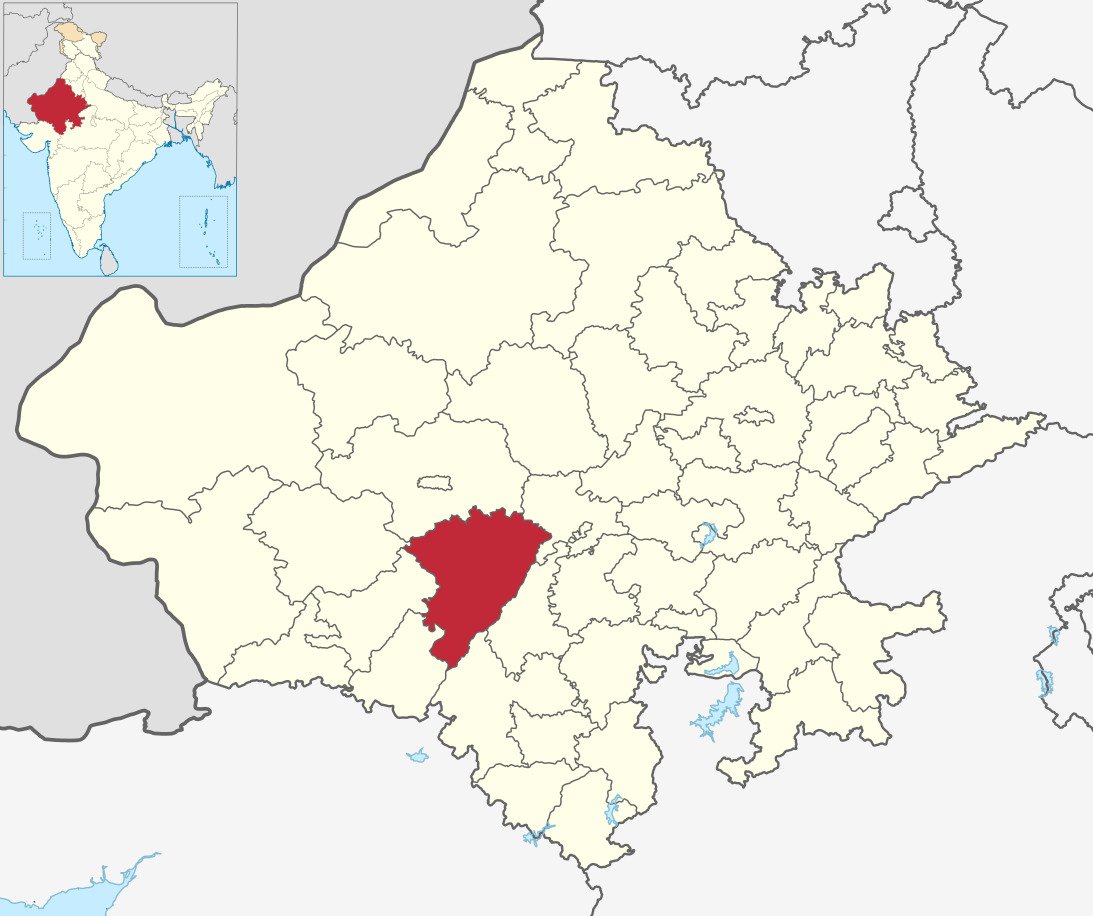
Pali's unique geographical position as a transitional zone between the arid Thar and the greener Aravallis makes it a significant site for studying wild reptiles of Rajasthan. This ecological diversity underscores the city's critical role in broader environmental and wildlife conservation efforts. The presence of numerous heritage sites and the general human population density create inherent challenges for wildlife. Therefore, protecting Pali's wildlife, including its reptiles, is not just about isolated instances of wildlife conflict resolution; it's an integral part of a larger, more comprehensive commitment to environmental stewardship. Recognizing reptiles as an indicator species, their health and presence reflect the overall health of the ecosystem. Safeguarding their habitats, controlling pollution, and preventing habitat fragmentation are essential for the long-term survival of all species. This is where the joint efforts of the Forest Department and numerous local NGOs, often through community engagement and public-private partnerships, become indispensable in protecting the Indian reptile species and the broader biodiversity heritage of the region.
🌿 Contact Us: For snake rescue services
- +91 7230010209
- www.snakehelpline.in
- www.snakerescuejaipur.com
🌿 Importance of Snake Conservation in Pali
Snake conservation is an important part of protecting biodiversity and maintaining ecological balance in Pali, Rajasthan. Snakes are often misunderstood because of fear and common misconceptions, but they perform valuable roles in natural ecosystems. Protecting native wildlife, preserving suitable habitats, and promoting awareness can help communities develop a safer and more responsible relationship with nature.
Pali includes residential settlements, agricultural landscapes, and surrounding natural environments where people may occasionally encounter wildlife. Understanding the ecological importance of snakes can help residents make informed decisions, reduce unnecessary harm to animals, and support responsible conservation practices.
- Maintaining Ecological Balance: Snakes are an important part of the natural food chain. Depending on the species, they feed on rodents, lizards, frogs, and other small animals. Snakes may also serve as prey for certain birds and mammals. These feeding relationships help maintain the balance between different animal populations. Protecting snakes therefore contributes to the wider ecological relationships that support healthy natural environments.
- Protecting Biodiversity in Pali: Biodiversity refers to the variety of living organisms found in an area, including plants, animals, and microorganisms. Snakes form one part of this diversity and contribute to the interactions that connect different species within an ecosystem. Protecting native snakes helps preserve these ecological relationships. Reliable wildlife records are also important for understanding which species occur in Pali and for identifying conservation needs.
- Preserving Natural Habitats: Habitat disturbance, pollution, construction, and the removal of natural vegetation can affect reptiles and other wildlife. When suitable shelter and feeding areas are disturbed, some animals may move into nearby human-used spaces. Responsible land management, proper waste disposal, and protection of suitable natural habitats can help reduce pressure on wildlife. Residents can contribute by avoiding unnecessary disturbance to natural shelters and by keeping their surroundings orderly.
- Connecting Snake Conservation with Public Health: Wildlife conservation and human safety should be considered together. Awareness of snake behaviour can help people avoid risky interactions, while knowledge of snakebite response can reduce dangerous delays in treatment. A suspected snakebite requires immediate medical attention. Keep the affected person as still as possible and arrange prompt transport to a hospital. Do not cut the wound, suck out venom, apply a tight tourniquet, or rely on traditional remedies.
- Supporting Responsible Wildlife Protection: Snakes are part of India's wildlife heritage, and their protection is governed by applicable wildlife laws. Residents should not assume that killing, capturing, keeping, or trading a wild snake is permitted. When wildlife-related concerns arise, seek guidance from the relevant Forest Department office or appropriately authorized personnel. Responsible conservation requires respect for wildlife regulations as well as attention to public safety.
Understanding Snake Species and Habitats in Pali
Pali, Rajasthan, has a range of human-used and natural environments where people may occasionally encounter reptiles. Understanding snake diversity, habitat preferences, and behaviour can help residents respond safely to wildlife encounters while supporting the conservation of native species.
Snakes differ in size, colour, body patterns, feeding habits, and habitat requirements. Learning about these differences can improve public awareness and help reduce misconceptions about snakes.
- Snake Diversity in the Pali Region: Snakes form an important part of local biodiversity. Different species have different ecological roles, and their presence depends on suitable habitats, food availability, and environmental conditions. Learning about regional snake diversity helps residents appreciate the importance of wildlife conservation. However, the presence of a species elsewhere in Rajasthan does not automatically confirm that it occurs in Pali district. Local species lists should be supported by reliable wildlife records.
- Natural Habitats and Shelter: Depending on the species, snakes may use vegetation, rocky areas, soil cavities, or other sheltered locations. These places can provide protection from environmental conditions and opportunities to find prey. Changes to natural habitats can affect wildlife movement and shelter availability. Protecting suitable habitats and avoiding unnecessary disturbance can help conserve native reptiles and other organisms that share the same environment.
- Snake Encounters in Agricultural Areas: Agricultural landscapes may provide food and shelter for certain snake species, particularly where rodents and other prey animals are present. Farmers and agricultural workers may occasionally encounter snakes while working in fields or moving stored materials. Using suitable footwear, carrying a torch in poorly lit areas, and checking surroundings before moving materials can help reduce accidental contact. Workers should never attempt to catch, provoke, or kill a snake.
- Understanding Snake Behaviour: Snakes vary in their behaviour according to species, environmental conditions, and the situation they encounter. A sighting should not automatically be interpreted as aggressive behaviour. People should avoid approaching, cornering, touching, or provoking a snake. Giving the animal space is safer than trying to determine its behaviour at close range.
- Protecting Snake Diversity in Pali Understanding snake species and their habitats can help residents make informed decisions during wildlife encounters. Accurate regional records, public awareness, habitat protection, and responsible rescue practices all contribute to wildlife conservation. By respecting snakes, avoiding unnecessary contact, and seeking appropriate assistance when needed, communities can support both human safety and the protection of native wildlife in Pali, Rajasthan.
Our Snake Rescue and Management services -
- 24/7 Helpline: Immediate Response To Snake sightings.
- Professional Rescuers: Trained Personnel equipped to handle various snake species safely.
- Community Workshops: Educational Programmes to Inform the Public about snake behaviour and safety measures.
Collaboration with NGOs and Wildlife Organizations
WE work closely with local NGOs and Wildlife Organizations to enhance snake conservations efforts.
- Hope and Beyond: engages in environmental conservation and community devlopment projects.
- Forest Department: Trained Personnel equipped to handle various snake species safely.
- Community Engagements: Educational Programmes to Inform the people about snake behaviour and safety measures.
Educational Initiatives and Training Programs
Education is an important part of reducing fear of snakes and encouraging safer interactions between people and wildlife. In Pali, Rajasthan, spreading accurate information about snake behaviour, ecological importance, and safety precautions can help students, families, farmers, and community members respond more responsibly to snake encounters.
Our educational initiative focuses on building awareness, correcting common misconceptions, and promoting respect for native wildlife. By encouraging responsible behaviour and sharing reliable information, these initiatives can help create a safer environment for people while supporting wildlife conservation.
- School Awareness and Educational Programs:
- Introduction to Snakes: Learn about snake characteristics, habitats, behaviour, and diversity.
- Ecological Importance: Understand how snakes contribute to food chains and may help regulate rodent populations..
- Myths and Facts: Recognize common misconceptions about snakes and the importance of reliable information.
- Snake Safety: Learn what to do when a snake is spotted at school, at home, or outdoors.
- Wildlife Conservation: Understand why native species and their habitats deserve protection.
- Volunteer Awareness and Training Programs:
- Basic snake biology and behaviour.
- Understanding habitats and regional snake diversity.
- Recognizing the limitations of visual snake identification.
- Public safety during snake sightings.
- Wildlife conservation principles and applicable legal requirements.
- The responsibilities and limitations of a volunteer during a rescue situation.
- Snakebite Prevention and Emergency Awareness:
- Wildlife Awareness for Farmers and Rural Communities:
- Safe movement through poorly lit outdoor areas.
- Precautions when moving stored materials.
- Responsible responses to snake sightings.
- The ecological role of snakes in agricultural environments.
- Ways to seek appropriate assistance without attempting dangerous handling.
- Snake Safety Awareness for Homes and Workplaces:
- Promoting Responsible Wildlife Identification
School awareness programs can introduce students to the fascinating world of snakes and explain their role in maintaining ecological balance. Age-appropriate educational sessions can help children understand wildlife without encouraging unnecessary fear or unsafe contact.
Topics that can be covered include:
Interactive discussions, educational posters, quizzes, and age-appropriate learning activities can make these sessions more engaging. Students should always be taught to observe wildlife from a safe distance and never attempt to touch, catch, or handle a snake.
Individuals interested in wildlife conservation can contribute by learning about snake awareness, responsible reporting, and safe responses to wildlife encounters. Volunteer education can help participants understand the risks associated with handling snakes and the importance of following appropriate rescue procedures.
Potential training topics include:
Snakebite prevention is an essential part of public education. Residents, agricultural workers, and people who spend time outdoors should know how to reduce accidental contact and respond appropriately if a bite occurs.
Awareness sessions can explain the importance of wearing suitable footwear, using a torch at night, avoiding blind reaching into concealed spaces, and staying away from unfamiliar wildlife.
If a snakebite occurs, the affected person should receive emergency medical care immediately. Keep the person as still as possible and arrange prompt transport to a hospital. Do not cut the wound, suck out venom, apply a tight tourniquet, or rely on traditional remedies. Never delay hospital treatment while waiting for a snake rescuer.
Farmers and agricultural workers may encounter snakes while working in fields, moving materials, inspecting irrigation areas, or entering storage buildings. Education can help them recognize potential risks and adopt sensible safety practices.
Awareness sessions may cover:
Snakes may occasionally be encountered in gardens, courtyards, storage rooms, warehouses, or other occupied spaces. Understanding basic precautions can help residents and workers respond without creating additional risks.
Educational content can explain the importance of maintaining orderly surroundings, managing rodent attractants, using adequate lighting, and avoiding unnecessary disturbance of concealed spaces.
If a snake enters an occupied area, people should keep their distance, move others away, and contact an appropriate local rescue service or the relevant Forest Department office. Untrained individuals should never attempt to catch or remove the animal.
Correct identification is important for wildlife awareness and conservation. However, some snake species look similar, and an untrained observer may not be able to determine whether a snake is venomous from its appearance alone.
Educational programs can explain how reliable field guides, regional wildlife records, and qualified identification support better understanding of local biodiversity.
Participants should never approach a snake to photograph it or inspect its features. Public safety must always take priority over identification.
Snakes and Their Scientific Name:
- Green Vine Snake (Ahaetulla oxyrhyncha)*
- Laudankia Vine Snake (A. laudankia)**
- Forsten's Cat Snake (Boiga forsteni)**
- Common Cat Snake (B. trigonata)**
- Indian Egg Eater (B. westermanni)**
- Common Trinket (Coelognathus helena helena)**
- Montane Trinket (C. h. monticollaris)*
- V-Collared Trinket (C. h. nigriangularis)*
- Common Bronzeback (Dendrelaphis tristis)**
- Common Wolf Snake (Lycodon aulicus)**
- Barred Wolf Snake (L. striatus)
- Sind Awl-headed (Lytorhynchus paradoxus)***
- Northern Kukri (Oligodon russelius)**
- Streaked Kukri (O. taeniolatus)
- Tillack's Kukri (O. tillacki)*
- Common Sand Boa (Eryx conicus)**
- Red Sand Boa (E. johnii)
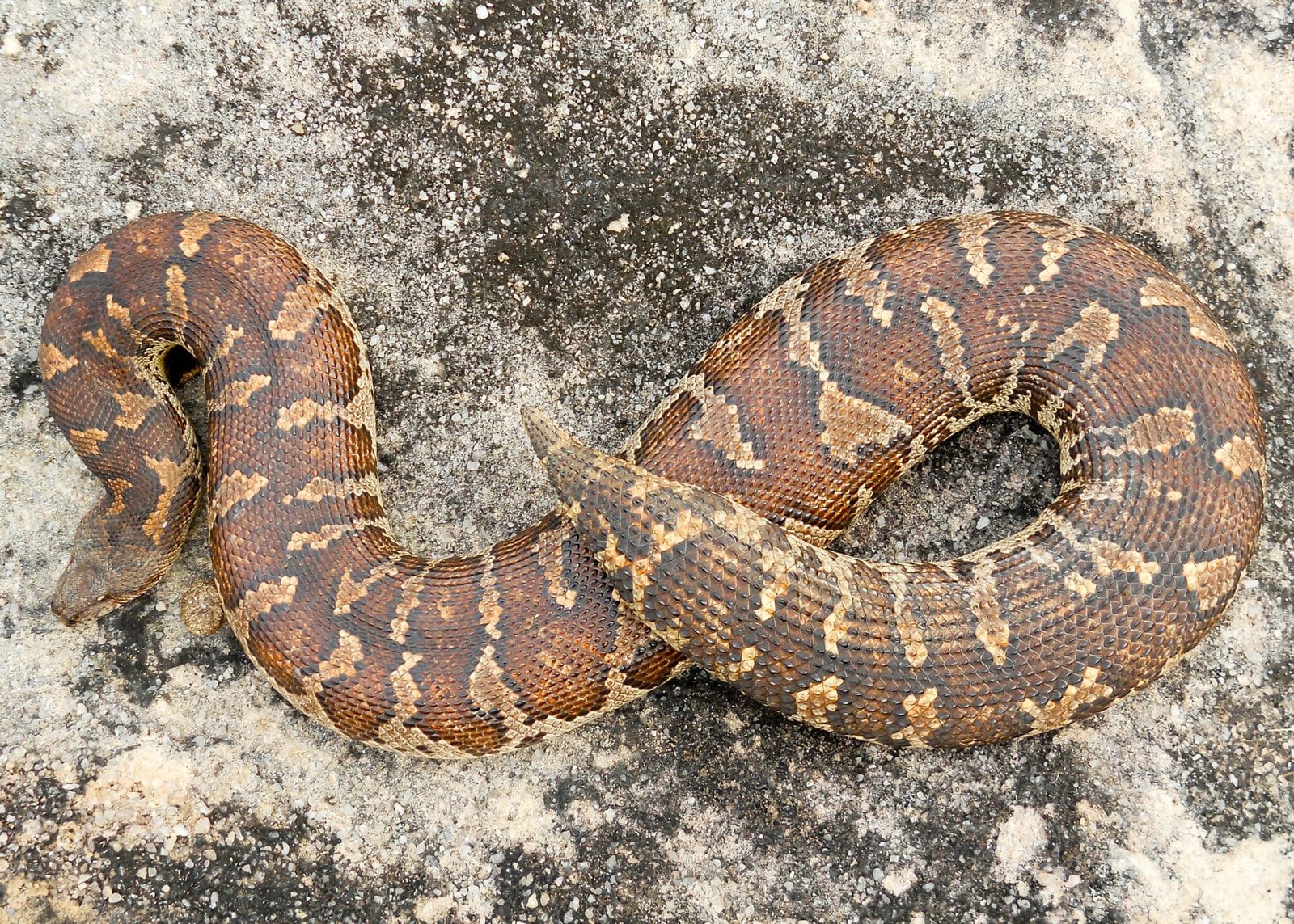
- Indian Rock Python (Python molurus)**
- Indian Saw Scaled Viper (Echis carinatus carinatus)**
- Sind Saw Scaled Viper (E. c. sochureki)
- Russell's Viper (Daboia russelii)**
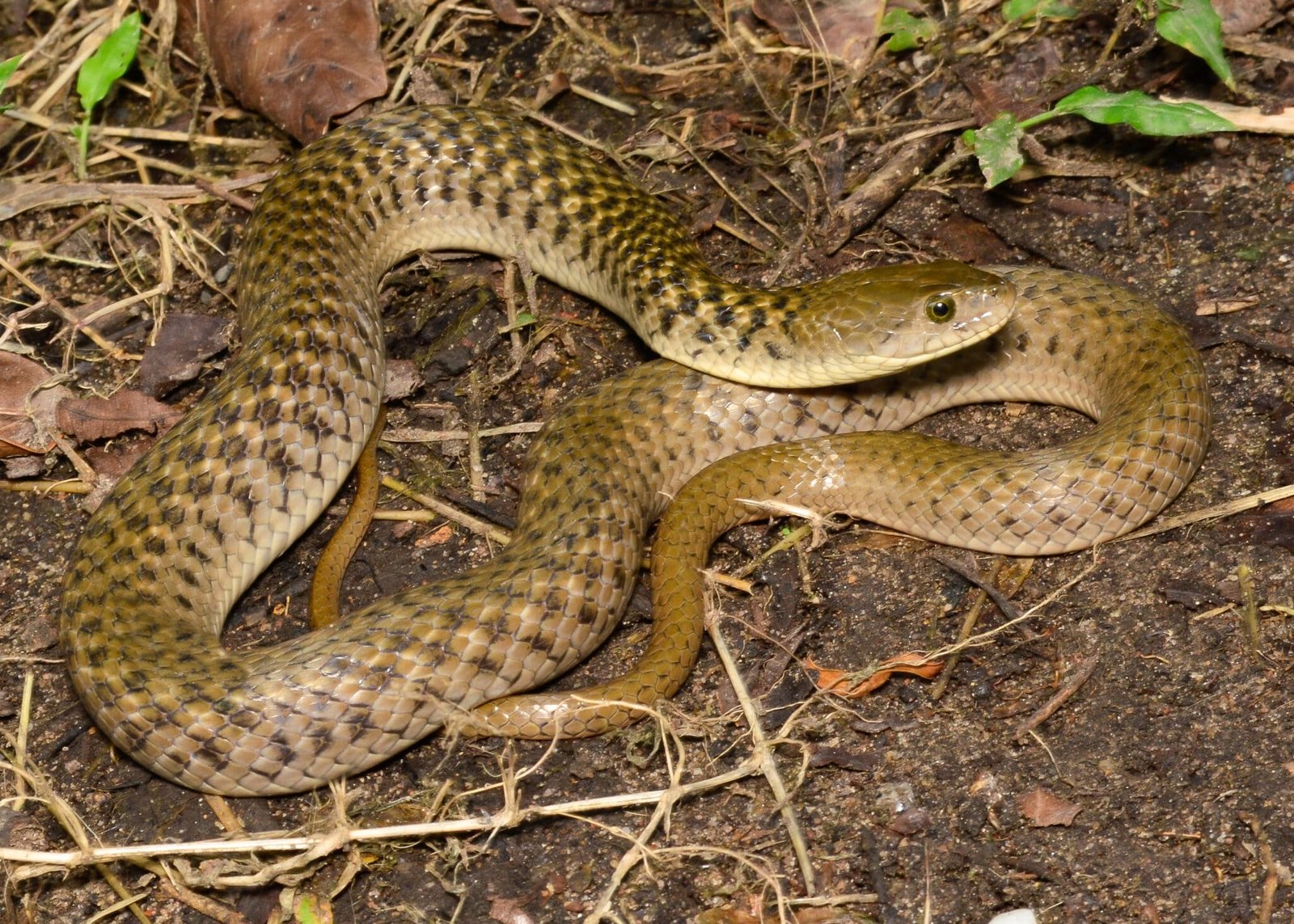
- Siebold's Water Snake (Ferania sieboldii)
- Sind Thread Snake (Myriopholis blanfordi)
- Beaked Thread Snake (M. macrorhyncha)
Conclusion:
Snake conservation and public safety are important parts of protecting the natural environment in Pali, Rajasthan. Snakes play valuable roles in ecological balance, and understanding their behaviour, habitats, and diversity can help reduce unnecessary fear and encourage responsible responses to wildlife encounters.
Through wildlife awareness, habitat protection, and educational initiatives, communities can learn how to coexist more safely with snakes. Residents, farmers, students, and local organizations all have a role to play in promoting accurate information, preventing avoidable encounters, and protecting native wildlife.
When a snake is spotted near a home, agricultural field, workplace, or public area, the safest approach is to maintain a safe distance, keep children and pets away, and contact an appropriate local snake rescue service or the relevant Forest Department office. If a snakebite occurs, seek emergency medical treatment immediately without waiting for a rescuer.
Our goal is to encourage a responsible approach to snake encounters that gives equal importance to human safety and wildlife conservation. By spreading awareness, respecting natural habitats, and promoting informed action, we can contribute to a safer and more environmentally conscious Pali.