
Training on Reptile Management
Snake Rescue Training for Workplace Safety.
Snake Rescue Training for Workplace Safety
A snake encounter at a workplace, residential area, public institution, or community setting can create fear and uncertainty. With the right awareness and guidance, however, such situations can be managed in a calm, safe, and responsible manner.
The training focuses on practical safety rather than encouraging people to handle or capture snakes themselves. Participants learn how to remain calm, maintain a safe distance, prevent unnecessary disturbance, keep others away from the area, report the sighting, and seek assistance from trained wildlife rescue personnel when required.
Our awareness sessions also cover basic snake behaviour, common misconceptions, preventive measures, and snakebite mitigation awareness. Participants are guided on the importance of seeking prompt medical assistance following a suspected snakebite and on avoiding unsafe or unverified methods of treatment.
Training can be adapted for corporate offices, industrial plants, factories, warehouses, construction sites, schools, government institutions, residential communities, agricultural areas, and other locations where people and wildlife may come into contact.
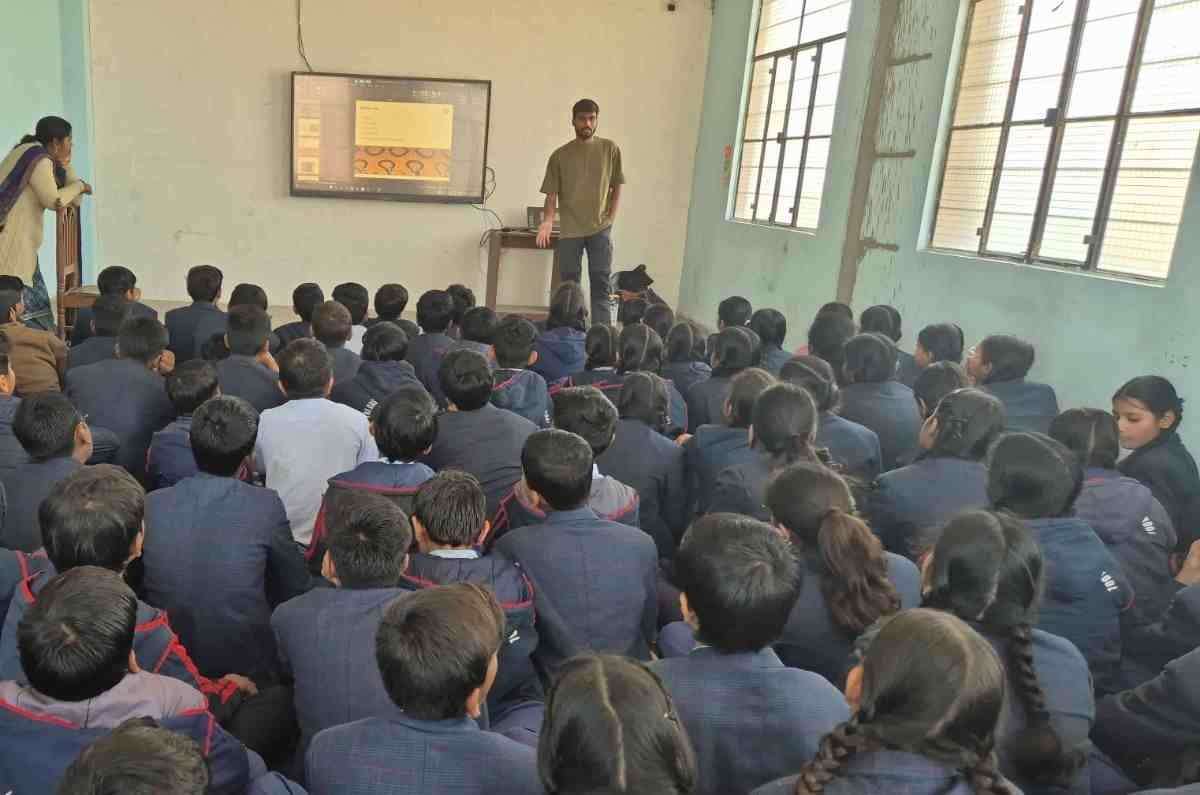

Our Approach to Snake Rescue and Reptile Management Training
Our training philosophy is based on four connected principles:
- Awareness: People need accurate information about snakes, their behavior, habitats and ecological importance.
- Prevention: Organizations can identify environmental conditions that may increase the likelihood of snake encounters and address them through sensible site management.
- Preparedness: Employees should know exactly what to do when a snake is sighted and whom to contact.
- Responsible Conflict Management: Wildlife encounters should be managed in a way that prioritizes human safety while avoiding unnecessary harm to the animal.
Who Can Benefit From Our Training Programs?
Our snake rescue and wildlife awareness programs can be customized for different types of organizations.
- Stay calm and move away slowly.
- Keep other employees away from the immediate area.
- Inform the security, facility, or designated emergency contact.
- Remember the last known location of the snake from a safe distance.
- Contact trained wildlife rescue personnel where required.
Corporate Offices:
Corporate campuses often contain landscaped gardens, parking areas, utility spaces, boundary walls, drainage systems and storage areas that can occasionally provide shelter for reptiles.
Modern corporate offices are not always limited to enclosed buildings. Many campuses include gardens, parking areas, open spaces, storage areas, landscaped zones, construction areas, service passages, and boundary walls. These spaces can sometimes provide shelter or food sources for reptiles.
A simple awareness session can make a significant difference. When employees know what to do, they are less likely to panic or take unnecessary risks.
What Employees Should Do When They See a Snake:- Safe observation from a distance
- Night-time encounters
- Communication with the control room
- Preventing crowds from approaching
- Contacting designated rescue personnel
- Supporting emergency services when required
Snake Rescue Awareness for Security Personnel:
Security guards frequently patrol areas at night and may be among the first people to observe snakes.
Security teams can receive specialized awareness training covering:
-
Snake Safety Training for Construction Sites:
- Stopping work in the immediate area.
- Moving workers away.
- Preventing unnecessary crowding.
- Contacting an appropriate trained wildlife responder.
- Informing the site supervisor.
Excavation, soil movement, demolition, material storage and vegetation clearance can disturb wildlife habitats and occasionally result in snake encounters
Workers should understand that a snake discovered during construction work should not automatically be treated as a pest.
Training for Mining and Field Operations:
- Communication in remote areas
- Safe movement through field environments
- Appropriate use of lighting during night work
- Snakebite emergency procedures
- Safe housekeeping around temporary camps
- Contacting trained wildlife responders
Mining, quarrying and other field operations can bring employees into direct contact with natural habitats.
Workers may operate in rocky terrain, open land, vegetation, temporary camps and remote locations.
A snake awareness program for these teams can include:
Snake Rescue Training for Forest Department Officials:
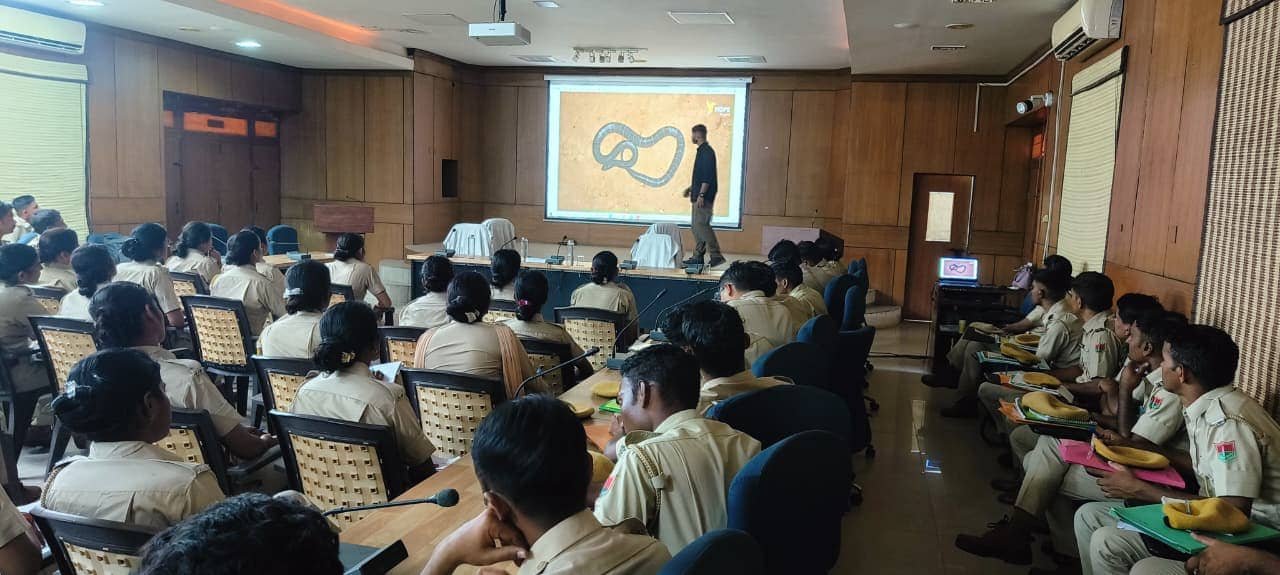
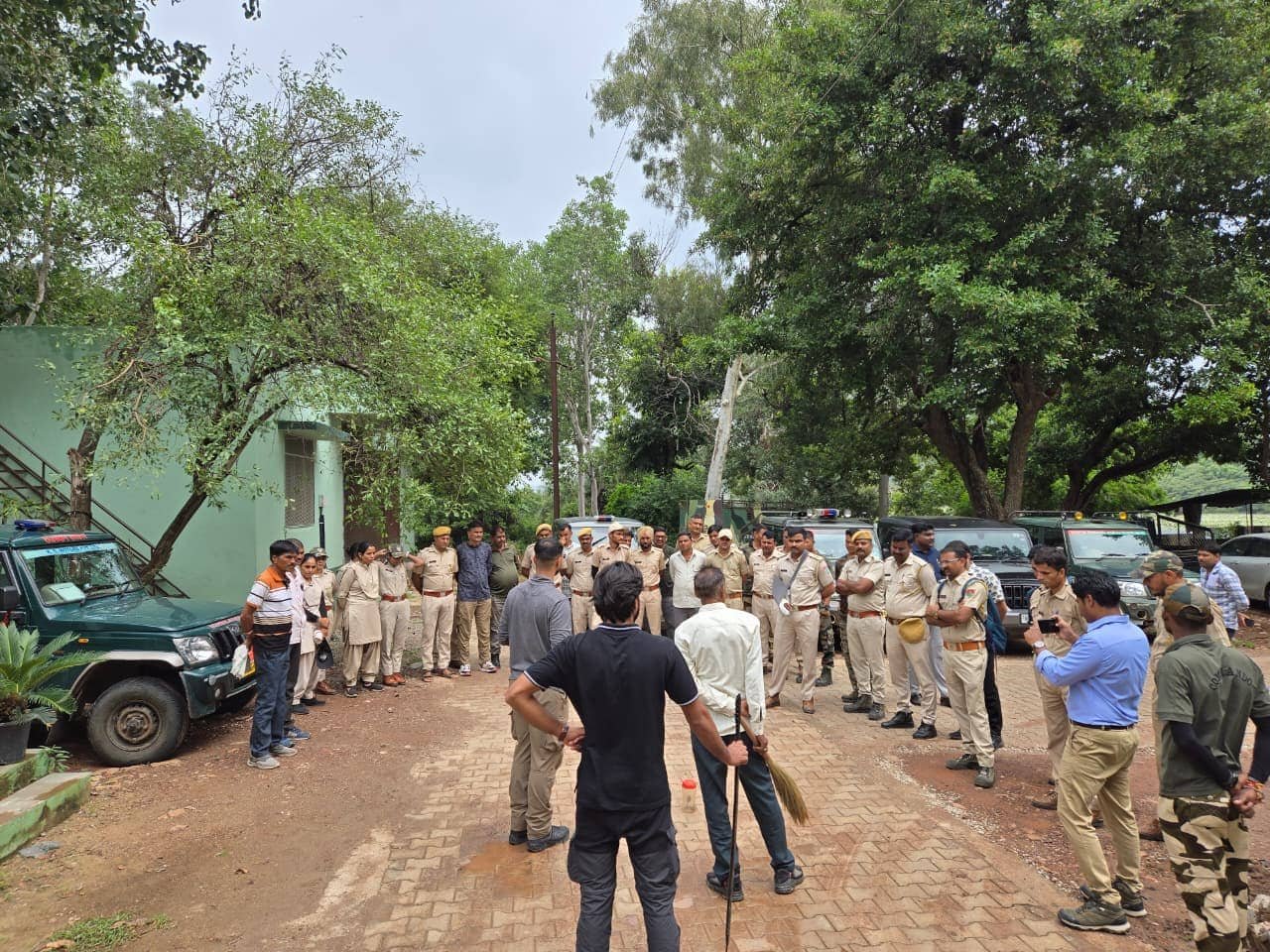
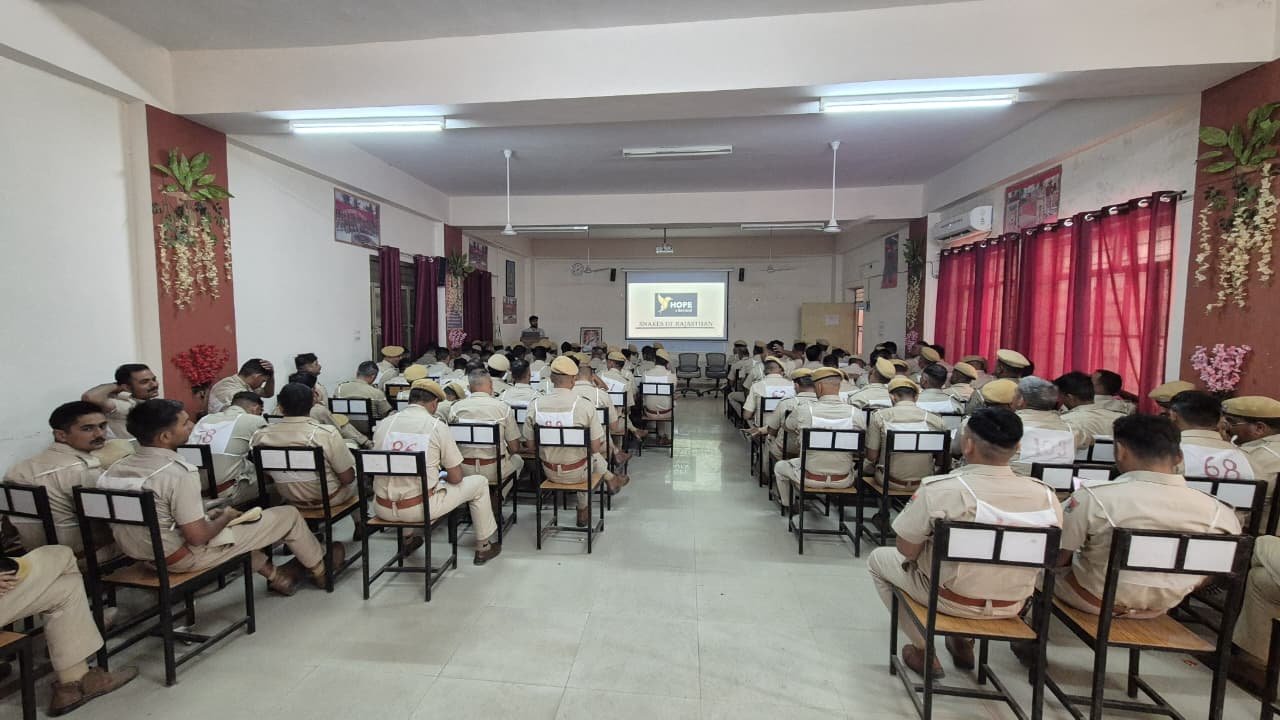
Forest Department officials and frontline wildlife personnel are often called upon when snakes are found in villages, farms, residential areas, government buildings, forest boundaries, roadsides, schools, industrial premises, and other places where people and wildlife come into contact. These situations can become stressful very quickly because people may be frightened while the snake itself may be disturbed or under pressure. Proper training helps officials respond with confidence, patience, and a clear understanding of both public safety and wildlife conservation.
Our Snake Rescue Training for Forest Department Officials focuses on practical knowledge, responsible rescue practices, human–snake conflict management, snakebite awareness, wildlife behaviour, field safety, and public communication. The purpose is not simply to teach someone how to remove a snake. It is to help personnel understand the complete situation and choose a safe and responsible response.
-
Key Training Areas:
- Snake rescue and reptile management
- Wildlife rescue safety
- Snake identification awareness
- Public safety and crowd management
- Community awareness and education
- Snakebite mitigation awareness
The objective is to develop practical decision-making rather than simply teaching a single rescue technique.
Understanding how snakes behave can make a major difference during a rescue situation. An unfamiliar snake may try to escape when people approach it, while a snake that feels trapped may become defensive
Forest personnel should therefore understand that unnecessary disturbance can make a situation more difficult. Maintaining distance, avoiding sudden movements, controlling crowds, and allowing trained personnel to assess the situation can help reduce unnecessary stress.
School Snake Awareness and Wildlife Safety Training:
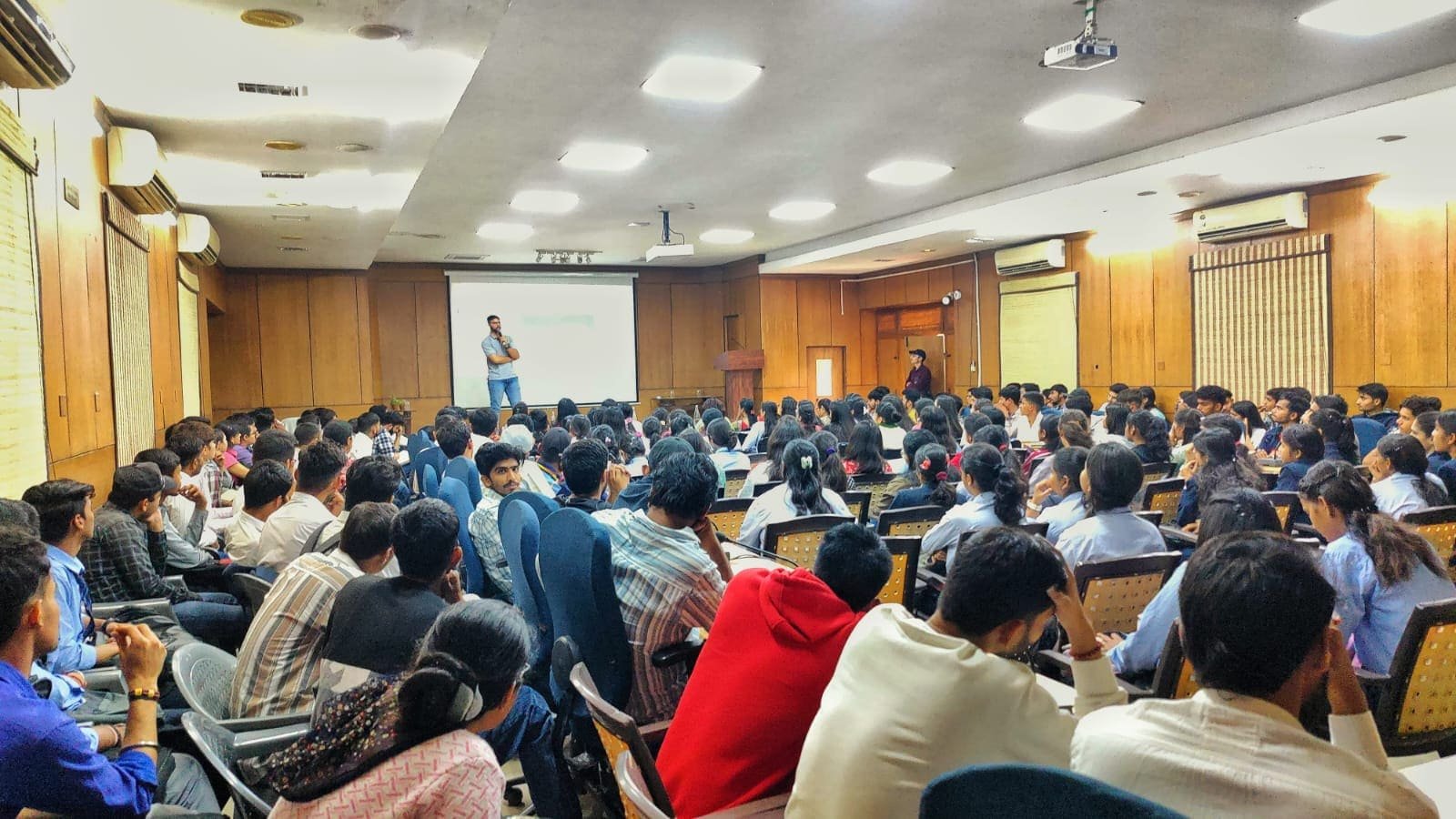
Schools play an important role in helping children develop responsible habits, confidence, and respect for the natural environment. In areas where schools are surrounded by gardens, open grounds, agricultural land, or natural habitats, students may occasionally encounter snakes or other reptiles.
Such an encounter can create fear among students, teachers, and parents, particularly when people are unsure how to respond. School Snake Awareness and Wildlife Safety Training helps children and school staff understand how to behave safely around snakes, avoid unnecessary risks, and seek assistance from responsible adults.
At SnakeRescueJaipur, our awareness-focused approach aims to replace panic and misinformation with practical knowledge. Through age-appropriate educational sessions, we encourage students to stay away from unfamiliar wildlife, inform a teacher or responsible adult, and understand the importance of protecting both human life and wildlife.
-
Key objectives of school awareness training:
- Help students understand basic snake safety.
- Teach children what to do when they see a snake.
- scourage touching, chasing, or harming snakes.
- Reduce fear caused by myths and misinformation.
- Educate teachers and school staff about appropriate responses.
- Promote basic snakebite prevention and emergency awareness.
Snake Awareness and Rescue Training for Industries
Industrial premises can cover large areas and may include open grounds, storage yards, landscaped areas, drainage channels, warehouses, utility rooms, construction zones, boundary areas, and equipment spaces. These environments can sometimes provide shelter or food sources for snakes and other reptiles, particularly when industrial facilities are located near agricultural land, forests, open areas, or undeveloped plots.
Our Industrial Snake Rescue, Reptile Management and Wildlife Awareness Training is designed to help organizations prepare their employees before such situations occur. The training focuses on practical awareness, safe workplace behaviour, emergency communication, prevention, snakebite mitigation, and responsible wildlife management.
The objective is not to train every worker to catch snakes. Instead, it is to ensure that employees understand what to do, what not to do, whom to contact, and how to keep themselves and others safe when a reptile is encountered.
What We Offer:
- Customized Workshop
- Tailored to your industry and specific needs.
- Interactive sessions covering snake identification, behavior, and emergency protocols.
- Aut eum totam accusantium voluptatemPractical demonstrations for effective snake handling.
- Snake Safety Basics
- Understand snake species commonly found in your area.
- Learn avoidance techniques within your workplace.
- Recognize snake habitats and potential encounter scenarios.
- Advanced Training
- Dive deeper into snake safety.
- Explore region-specific snake facts.
- Address common misconceptions and fears.
- Certification and Compliance
- Participants receive completion certificates.
- Our training qualifies under Section 80G and CSR activities.
We provide structured Snake Rescue, Reptile Management, and Wildlife Awareness Training with an emphasis on safety, practical knowledge, and responsible wildlife management. Our programs are designed to meet the requirements of organizations, government institutions, frontline personnel, and local communities.
- Professional & Practical Training:
- Safety-Oriented Approach:
- Customized Institutional Programs:
- Snakebite Awareness & Mitigation:
- Wildlife Conservation & Responsible Rescue:
- Community-Focused Awareness:
Our programs focus on practical situations and responsible response procedures relevant to workplaces, field environments, public areas, and community settings.
Participants are trained to respond calmly, maintain a safe distance, manage the surrounding area, and seek appropriate assistance during snake and reptile encounters.
Training can be adapted for Forest Departments, government organizations, industries, corporate offices, educational institutions, security teams, and local communities.
Sessions include essential awareness regarding snakebite prevention, appropriate emergency response, the importance of timely medical care, and avoidance of unsafe practices.
Our approach promotes responsible handling, reduction of unnecessary harm, and greater understanding of the ecological importance of snakes and other reptiles.
Information is presented in a clear and accessible manner so that both trained professionals and members of the local community can understand and apply the guidance effectively.