
Snake Helpline in Kota
Safeguarding Lives and Biodiversity
🌿 Immediate Assistance: Snake Helpline in Kota
If you encounter a snake in your vicinity, it's crucial to seek professional help promptly. Our snake helpline in Kota connects you with trained rescuers who ensure the safe and humane relocation of snakes.
As Kota continues its trajectory of development and urban expansion, striking a delicate balance between progress and the preservation of its natural ecosystems becomes increasingly vital. The ongoing work of reptile catching services and the availability of a dependable Indian snake helpline are immediate necessities. However, the long-term vision must extend beyond mere rescue. It requires proactive measures such as advocating for sustainable development practices that minimize habitat destruction, promoting green spaces within the city, and continuously educating its citizens. The continued collaboration between the Forest Department and dedicated local NGOs is the cornerstone of this future. By empowering reptile rescue volunteers, facilitating reptile relocation services, and fostering genuine community engagement, Kota can truly embody a model of harmonious coexistence. This collective guardianship ensures that Kota's "whispers in the weeds" – the subtle, often unseen movements of its serpentine residents – continue to be a cherished and integral part of its vibrant natural tapestry for generations to come, symbolizing not just its rich cultural history, but also its deep commitment to environmental preservation.
Kota's unique geographical position as a transitional zone between the arid Thar and the greener Aravallis makes it a significant site for studying wild reptiles of Rajasthan. This ecological diversity underscores the city's critical role in broader environmental and wildlife conservation efforts. The presence of numerous heritage sites and the general human population density create inherent challenges for wildlife. Therefore, protecting Kota's wildlife, including its reptiles, is not just about isolated instances of wildlife conflict resolution; it's an integral part of a larger, more comprehensive commitment to environmental stewardship. Recognizing reptiles as an indicator species, their health and presence reflect the overall health of the ecosystem. Safeguarding their habitats, controlling pollution, and preventing habitat fragmentation are essential for the long-term survival of all species. This is where the joint efforts of the Forest Department and numerous local NGOs, often through community engagement and public-private partnerships, become indispensable in protecting the Indian reptile species and the broader biodiversity heritage of the region.
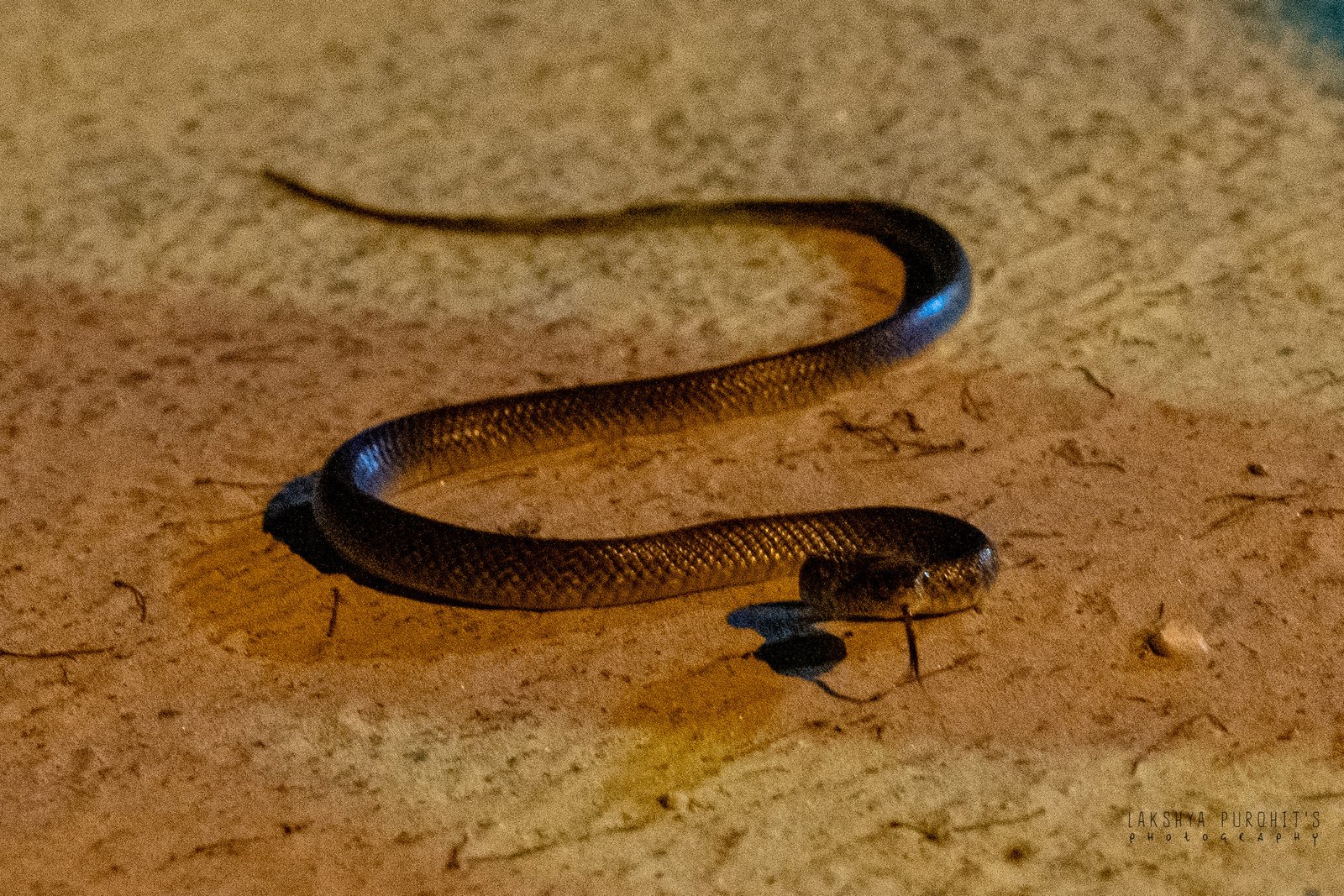
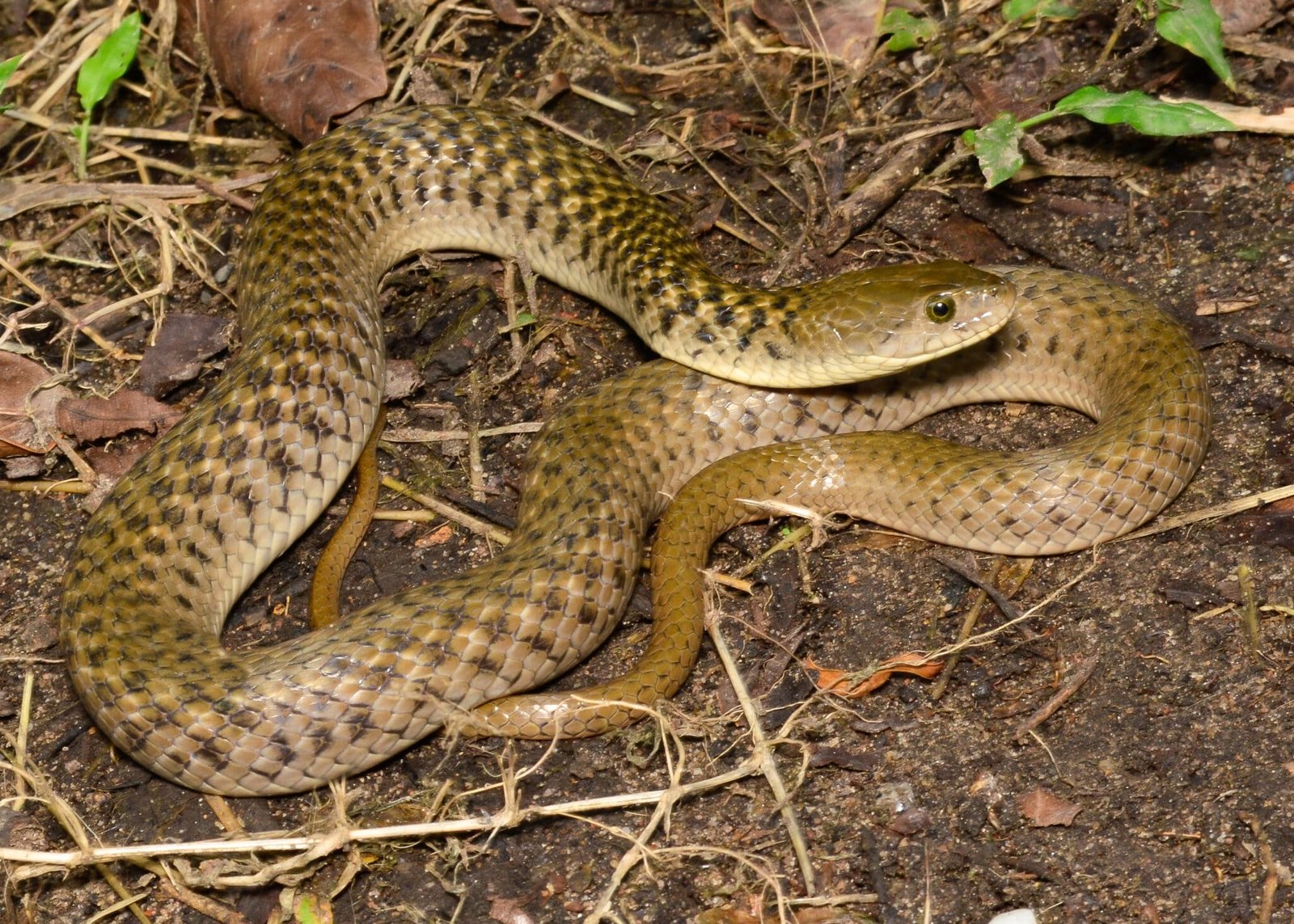

🌿 Contact Us: For snake rescue services
- +91 7230010209
- www.snakehelpline.in
- www.snakerescuejaipur.com
🌿 Importance of Snake Conservation in Kota
Snake conservation is an important part of protecting biodiversity and maintaining ecological balance in Kota, Rajasthan. Snakes are often misunderstood and feared, but they play valuable roles in the natural environment. Protecting them through awareness, responsible rescue practices, and habitat conservation can help create a safer environment for both people and wildlife.
As Kota continues to grow through residential development, agriculture, and industrial expansion, responsible wildlife management becomes increasingly important. Understanding the role of snakes in the ecosystem can help residents respond to encounters calmly and avoid unnecessary harm to these animals.
- Maintaining Ecological Balance: Snakes are important predators in many ecosystems. Depending on the species, they feed on rodents, lizards, frogs, and other small animals. By helping regulate prey populations, snakes contribute to the balance of local food webs.
- Natural Control of Rodent Populations Many snake species feed on mice, rats, and other rodents. These animals can damage agricultural crops, contaminate stored food, and affect household environments. Snakes can contribute to the natural regulation of rodent populations, although the extent of this effect varies by habitat and species.
- Reducing Fear Through Public Awareness: Fear and misinformation can lead people to kill snakes even when the animals are not posing an immediate threat. Public education can help residents understand that snakes generally do not need to be approached or disturbed and that a safe response is usually to maintain distance and seek appropriate assistance.
- Conserving Natural Habitats: Habitat disturbance, pollution, road development, and the removal of natural vegetation can affect reptiles and other wildlife. Maintaining suitable green spaces and protecting natural areas where possible can help preserve habitats used by snakes and their prey. Responsible waste management, careful land-use planning, and reduced disturbance of natural areas can contribute to wider biodiversity conservation. Wildlife should not be moved or handled by untrained individuals as a substitute for addressing habitat-related concerns.
Common Snake Species in Kota
Kota and its surrounding areas have a variety of habitats that may support different reptile species. Depending on the local environment, snakes may be found in grasslands, agricultural landscapes, scrub vegetation, rocky areas, and places close to water. Each species has its own physical characteristics, behaviour, and habitat preferences.
Understanding snake diversity is an important step towards promoting wildlife awareness and responsible conservation. Some snakes may be difficult to identify because their colours and patterns can vary. Therefore, residents should never approach or handle a snake to determine its species.
Understanding Snake DiversitySnakes differ in size, body shape, colour, patterns, feeding habits, and behaviour. Some species are adapted to living on the ground, while others may climb vegetation or spend time near water. These differences allow snakes to occupy a range of ecological niches and contribute to the natural food web.
The Importance of Correct IdentificationCorrect identification helps wildlife experts understand local biodiversity and provide appropriate advice when a snake is encountered. However, identifying a snake from its appearance can be difficult, especially for people without specialist knowledge. Never assume that a snake is harmless based only on its size, colour, or markings.
If you spot a snake, keep a safe distance and avoid disturbing it. A photograph should only be taken if it is possible to do so without approaching the animal. Contact an appropriate local rescue service or the relevant Forest Department office for assistance.
Protecting Kota's Native Snakes:Protecting native snake species helps conserve biodiversity and maintain ecological balance. Avoid killing snakes unnecessarily, disturbing their hiding places, or capturing them for personal interest. Responsible wildlife practices and reliable public information can help reduce fear and encourage safer interactions between people and snakes.
Our Snake Rescue and Management services -
- 24/7 Helpline: Immediate Response To Snake sightings.
- Professional Rescuers: Trained Personnel equipped to handle various snake species safely.
- Community Workshops: Educational Programmes to Inform the Public about snake behaviour and safety measures.
Collaboration with NGOs and Wildlife Organizations
WE work closely with local NGOs and Wildlife Organizations to enhance snake conservations efforts.
- Hope and Beyond: engages in environmental conservation and community devlopment projects.
- Forest Department: Trained Personnel equipped to handle various snake species safely.
- Community Engagements: Educational Programmes to Inform the people about snake behaviour and safety measures.
Educational Initiatives and Training Programs
To promote Co-Existence between humans and snakes, we offer
- School Programs: Education and public awareness play an important role in reducing fear of snakes and encouraging safer responses to wildlife encounters. In Kota, sharing reliable information about snake behaviour, habitat, conservation, and snakebite prevention can help residents make informed decisions and protect both people and wildlife.
- Wildlife Rescue Awareness and Volunteer Development: Responsible wildlife rescue requires appropriate knowledge, practical skills, and an understanding of safety procedures. Awareness and training opportunities can help interested individuals learn about snake behaviour, ethical wildlife handling principles, relevant laws, and when to seek assistance from experienced or authorized rescuers. Training should be provided by suitably qualified instructors and follow applicable wildlife regulations. Participation in an awareness session does not automatically qualify someone as a certified snake rescuer.
- Public Seminars and Community Awareness: Community seminars can provide residents, farmers, students, and local workers with practical information about snake encounters and wildlife conservation.
- Encouraging Responsible Community Participation: Long-term conservation depends on informed communities that respect wildlife and understand how to respond safely to encounters. Residents can contribute by sharing accurate information, avoiding unnecessary harm to snakes, keeping surroundings organized, and contacting appropriate services when assistance is needed. Through continued education and responsible participation, communities in Kota can help promote public safety, protect native biodiversity, and encourage a more informed approach to human-snake coexistence.
- Snakebite Prevention and Emergency Awareness: Snakebite awareness is an essential part of community safety. Educational materials should explain the importance of staying calm, moving away from the snake, minimizing movement after a bite, and seeking immediate medical attention. People should never attempt to catch or kill a snake after a bite. Cutting the wound, sucking out venom, applying a tight tourniquet, or delaying hospital treatment can cause harm.
Common Snakes Name And Their Scientific Name:
- Green Vine Snake (Ahaetulla oxyrhyncha)*
- Laudankia Vine Snake (A. laudankia)**
- Forsten's Cat Snake (Boiga forsteni)**
- Common Cat Snake (B. trigonata)**
- Indian Egg Eater (B. westermanni)**
- Common Trinket (Coelognathus helena helena)**
- Montane Trinket (C. h. monticollaris)*
- V-Collared Trinket (C. h. nigriangularis)*
- Common Bronzeback (Dendrelaphis tristis)**
- Common Wolf Snake (Lycodon aulicus)**
- Barred Wolf Snake (L. striatus)
- Sind Awl-headed (Lytorhynchus paradoxus)***
- Northern Kukri (Oligodon russelius)**
- Streaked Kukri (O. taeniolatus)
- Tillack's Kukri (O. tillacki)*
- Common Sand Boa (Eryx conicus)**
- Red Sand Boa (E. johnii)
- Indian Rock Python (Python molurus)**
- Indian Saw Scaled Viper (Echis carinatus carinatus)**
- Sind Saw Scaled Viper (E. c. sochureki)
- Russell's Viper (Daboia russelii)**
- Siebold's Water Snake (Ferania sieboldii)
- Sind Thread Snake (Myriopholis blanfordi)
- Beaked Thread Snake (M. macrorhyncha)
Conclusion:
Snake conservation is an important part of protecting biodiversity and maintaining ecological balance in Kota, Rajasthan. Snakes play a valuable role in natural food chains, including helping regulate populations of rodents and other small animals. Promoting awareness about these reptiles can reduce unnecessary fear, encourage responsible behaviour, and support the protection of local wildlife.
As Kota continues to develop, raising awareness about human-snake encounters and preserving suitable natural habitats remain important. Through reliable educational resources, responsible rescue practices, and community participation, residents can learn how to respond safely when a snake is encountered. Avoiding direct contact, maintaining a safe distance, and seeking assistance from an appropriate local rescue service can help protect both people and snakes.
Public safety must always remain a priority. If a snake is found near a home, workplace, or agricultural area, people should not attempt to catch, handle, or harm it. In the event of a suspected snakebite, immediate medical attention is essential, and treatment should never be delayed while waiting for a snake rescuer.