
Snakes of Jaipur: A Glimpse into Our Local Ophidian Diversity
Jaipur, with its unique blend of urban development and surrounding natural habitats, is home to a diverse array of snake species. Our records, informed by rescue operations, field observations, and collaborations with herpetologists, confirm the presence of both venomous and non-venomous snakes.
Snake Biodiversity in Pali’s Landscape
From the foothills of the Aravallis to riverbanks and agricultural fields, snakes in Pali thrive across varied habitats. Both venomous snake rescue and non-venomous snake rescue are frequent activities here. The “Big Four” — Russell’s viper, common krait, Indian cobra, and saw-scaled viper — are regularly reported. These snakes are key to reptiles and ecosystem balance, controlling pests and maintaining ecological importance of snakes in the region. As part of reptile biodiversity, they reflect the environmental health of this semi-arid zone.
Urban expansion and deforestation have increased snake in house, snake in factory, and snake in premises sightings. Trained teams offer snake catcher services, responding to snake helpline Pali and snake rescue near me calls quickly and efficiently. Through snake removal service and reptile control, the district ensures safe relocation of these creatures. These are not random efforts — they reflect a growing commitment to wildlife conservation in India and snake conservation locally.
As Pali develops industrially, cases of snake in industrial area, snake in warehouse, and snake in construction sites are becoming common. Industries are adopting reptile management for industries, integrating reptile safety for plants, reptile safety for security guards, and snake safety training for staff under their CSR reptile conservation responsibilities. Many institutions also implement reptile control in institutions to prevent wildlife conflicts, showcasing the growing influence of wildlife mitigation at construction sites.
The rise in snake encounters has prompted a demand for snake training programs and reptile rescue training in Pali. Workshops are offered for snake handling experts, forest guards, and community members. Wildlife first responder training is provided, particularly to security personnel and factory workers. Through snake safety measures and structured reptile danger awareness programs, Pali is becoming more resilient to human-reptile conflict. Residents now know how to remove a snake, seek trained snake catcher help, and report a snake sighting through Indian snake helpline numbers.
Pali’s snakes face increasing threats due to changing land use and climate. Reptiles and climate change is an emerging issue — shifting rainfall, rising temperatures, and habitat loss push snakes into human spaces. Conservationists promote eco-friendly snake rescue to mitigate conflict. The emphasis is on preserving natural habitats and recognizing the ecological importance of snakes as both predator and prey in the ecosystem. Digital tools and mobile searches like snake rescue in Pali, snake catcher contact Pali, or emergency reptile rescue Rajasthan are popular. Locals now use terms like snake helpline near me, snake rescue contact, and snake control in my area for quick assistance. Snake hotline networks across Rajasthan are strengthening regional rescue response and reptile relocation services.
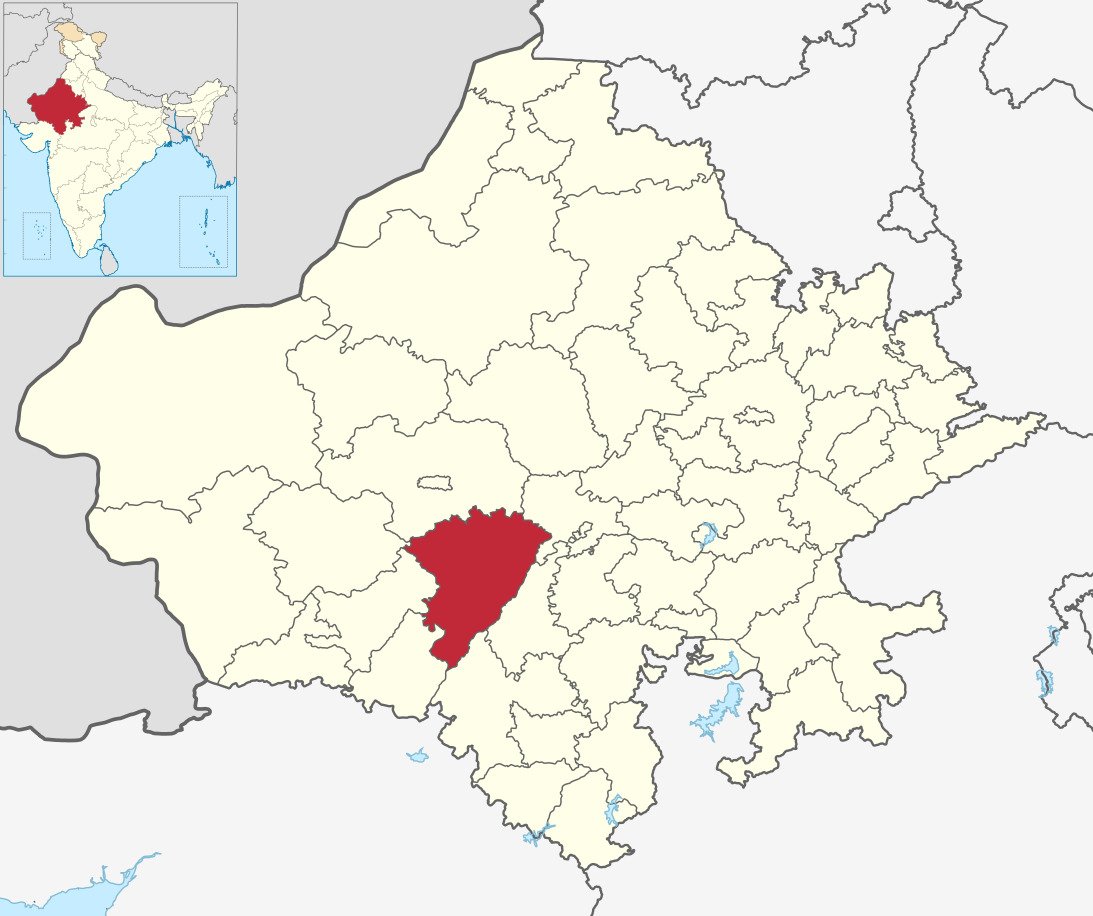
Snake rescue helpline services in Pali:
- Contact No.: +91 7230010209
- www.snakehelpline.in
- www.snakerescuejaipur.com
Our Snake Rescue and Management services In Pali:
The Snake Helpline in Pali offers round-the-clock rescue services throughout the district. Whether it's a rural village or a densely populated urban locality, the helpline ensures that every snake rescue is conducted with professionalism and urgency. The helpline connects callers with trained and certified rescuers who use humane techniques and tools to safely capture and release snakes back into suitable habitats.
- 24/7 Snake rescue helpline access
- Verified snake catcher services
- Real-time rescue tracking and updates
- Safe handling and relocation of reptiles
Our Collaboration With NGOs and Wildlife Organizations
We work closely with local NGOs and Wildlife Organizations to enhance snake conservation efforts.
- Hope and Beyond: Engages in environmental conservation and community development projects.
- Forest Department: Trained Personnel equipped to handle various snake species safely.
- Community Engagements: Educational Programmes to Inform the people about snake behaviour and safety measures.
Snake Species Found in Pali District
Pali boasts a significant number of snake species, many of which are crucial to the biodiversity of Rajasthan. Commonly found snakes in Pali include:
- Indian Cobra
- Russell’s Viper
- Common Krait
- Saw-scaled Viper
- Rat Snake
- Indian Rock Python
- Trinket Snake
- Sand Boa
Snake Catcher Services in Pali:
Professional snake catcher services in Pali are vital for managing reptilian encounters, particularly in areas like schools, warehouses, temples, farmlands, and homes. Snake catchers are trained in both handling techniques and identification of venomous versus non-venomous species. This expertise is crucial to ensure safety and eliminate unnecessary fear among the public. Whether you’re dealing with a cobra in your courtyard or a python sighting near an irrigation canal, the snake catcher services in Pali are just a call away. These services also contribute significantly to wildlife rescues and conservation.
Role of Snake Rescue in Environmental Balancing
Snakes, though often feared, are instrumental in the natural management of pests and small mammals. Their presence in ecosystems ensures that populations of rodents do not escalate to levels that would otherwise impact agriculture and public health. The snake rescue helpline in Pali, by safely relocating snakes, indirectly supports environmental balancing and biodiversity conservation. Climate conditions in Pali have also led to an increase in reptile activity during the monsoon and pre-summer months. During these periods, snake sightings are more frequent, and the demand for snake rescue helpline and snake catcher services increases exponentially. This necessitates an organized approach, where snake rescuers remain on alert and accessible through verified rescue contacts.
Public Awareness and Education Initiatives
One of the cornerstones of the snake helpline initiative in Pali is public awareness. Misconceptions about snakes often lead to panic, and in many unfortunate instances, the killing of non-venomous reptiles. Awareness drives, educational workshops, and community outreach programs are regularly conducted to spread correct information about snake behaviour, species identification, and rescue protocols.
These programs also teach residents how to:
- Identify venomous vs non-venomous snakes
- Safely respond to a snake sighting
- Call the appropriate rescue contact immediately
- Avoid myths and misinformation
Snake Rescue Training and Volunteer Involvement:
The snake rescue movement in Pali is strengthened by the inclusion of local volunteers and wildlife enthusiasts. Regular snake rescue training programs are conducted in collaboration with wildlife rescuers and environmental experts. These training sessions include:
- Snake identification and behaviour analysis
- Rescue and handling techniques
- Safety protocols for rescuers and the public
- Relocation ethics and legal guidelines
By building a network of trained rescuers across the district, the snake helpline in Pali ensures swift responses and widespread coverage even in remote areas.
Challenges and Solutions in Snake Rescue Operations:
Despite growing awareness and support, several challenges remain in managing snake rescues effectively. These include:
- Lack of public knowledge
- Fear and hostility towards reptiles
- Delay in contacting rescue helplines
- Untrained individuals attempting rescue
- Limited availability of rescue equipment
To address these issues, the snake helpline in Pali continually updates its rescue contact list, trains more volunteers, and collaborates with industries and housing societies to develop snake-safe zones. Mobile rescue units and on-ground response teams are now increasingly being deployed to reduce response time.
Pali’s Silent Guardians: The Snakes Behind Wildlife Balance
Pali, located in the heart of Rajasthan, is more than just temples, textiles, and traditional heritage. It is a lesser-known hotspot of snake biodiversity in Rajasthan, where reptile conservation efforts quietly protect the balance of nature. Amidst its hills, forests, and dry terrains, Pali is home to numerous snake species of India, many of which play a vital role in the ecosystem balance.
- Common Krait (Common Indian Krait, Blue Krait) (Bungarus caeruleus)
- Spectacled Cobra (Common Indian Cobra) (Naja naja)
- Russell’s Viper (Chain Viper) (Daboia russelii)
- Sochurek’s Saw-scaled Viper (Echis carinatus sochureki)
For the residents of Pali, understanding the difference between venomous and non-venomous reptiles is crucial to reduce panic and support their conservation. The majority of these creatures encountered here are non-venomous, playing a vital role in our environment by controlling pest populations and contributing to ecological balance. Our website offers a full guide to these local species, helping you stay safe, informed, and actively supportive of Pali's remarkable wildlife and its conservation.
- Indian Rock Python (Python molurus)
- Common Sand Boa (Russell’s Earth Boa, Rough-tailed Boa) (Eryx conicus)
- Red Sand Boa (Indian Red Sand Boa) (Eryx johnii)
- Common Cat Snake (Indian Gamma Snake) (Boiga trigonata)
- Common Trinket Snake (Coelognathus helena)
- Common Bronzeback Tree Snake (Dendrelaphis tristis)
- Common Wolf Snake (Lycodon aulicus)
- Barred Wolf Snake (Lycodon striatus)
- Streaked Kukri Snake (Oligodon taeniolatus)
- Glossy-bellied Racer (Hardwicke’s Racer/Rat Snake) (Platyceps ventromaculatus)
- Rat Snake (Dhaman) (Ptyas mucosa)
- Black-headed Royal Snake (Spalerosophis atriceps)
- Checkered Keelback (Asiatic Water Snake) (Fowlea piscator)
- Leith’s Sand Snake (Pakistani Ribbon Snake) (Psammophis leithii)
- Common Krait (Common Indian Krait, Blue Krait) (Bungarus caeruleus)
- Spectacled Cobra (Common Indian Cobra) (Naja naja)
- Russell’s Viper (Chain Viper) (Daboia russelii)
- Sochurek’s Saw-scaled Viper (Echis carinatus)
- Brahminy Worm Snake (Indotyphlops braminus)
- Stoliczka’s Worm Snake (Pseudoindotyphlops porrectus)
Why Pali Needs a Snake Helpline ?
A rapidly developing district in Rajasthan, characterized by its varied terrain from plains to the Aravalli foothills, is witnessing increasing human-wildlife interfaces. Urbanization and agricultural expansion into natural reptile habitats lead to more frequent encounters with these creatures. Thus, a dedicated snake helpline is vital for Pali. It ensures prompt, professional snake rescue services, mitigating panic and guaranteeing the humane relocation of snakes from populated areas. Such a service is essential for public safety and robustly supports reptile conservation efforts, fostering coexistence between the populace and wildlife across Pali's diverse landscape.
Conclusion
With continuous growth and support from the people of Pali, this initiative not only ensures that snakes are rescued and relocated safely but also that their role in the environment is respected and protected. If you ever come across a snake in your vicinity, remember the Snake Rescue Helpline in Pali is here to help you protect both life and nature. The Snake Helpline in Pali is more than just an emergency response service. It is a comprehensive initiative focused on conservation, wildlife management, public safety, and ecological education. Through collaborative efforts, dedicated rescuers, and widespread awareness, the helpline stands as a model for snake rescue across Rajasthan.